
Best Windows 11 Home KW9-00664
Windows 11 Home (product identifier KW9-00664) is Microsoft’s premier consumer operating system, designed for regular users seeking an intuitive, dependable, and contemporary computing experience. As the direct successor to Windows 10, Windows 11 is a significant step ahead in design philosophy, performance optimization, security features, and cloud service integration. Differing from Windows enterprise ones, Windows 11 Home is aimed at home users, students, families, and individuals who need non-business computing for everyday tasks like surfing the internet, creating documents, enjoying media, gaming, and running programs.
It is afterwards, Windows 11 Home continues to be the edition pre-installed on most of the new consumer gadgets globally. This includes laptops/imolds 2-in-1s and small desktops. By default, it gives the user a new UI, more efficient use of their time, and the possibility to run a great number of applications and hardware without problems. “KW9-00664” is the principal code often attributed to retail and OEM Windows 11 Home licenses, which hence reflect the original software supported by Microsoft in terms of quality, compliance, and security.
Essentially, Windows 11 Home is seeking to deliver a mix of accessibility, performance, and computing readiness packed in a box that regular users can see and understand without the requirement of technical administration knowledge. It represents the extension of Microsoft’s brand that innovation is for everyone, after all, providing them with a system that is not only stable and secure but also very user-friendly.
Visual Redesign and User Experience
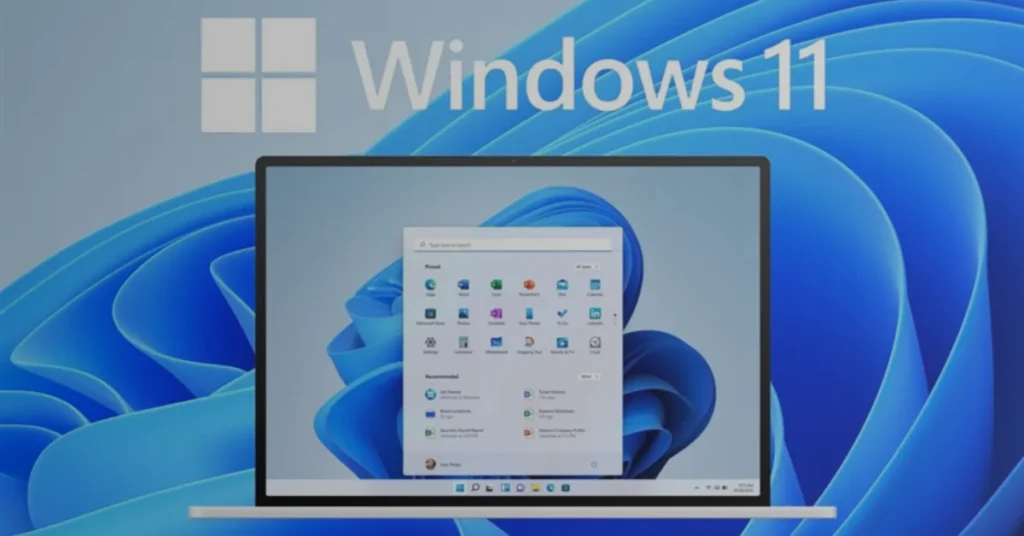
Windows 11 Home, visually, is a whole change. In order to achieve the company’s current look, which is clean and user-friendly, the user interface was changed dramatically. The Start menu doesn’t stay in the lower left corner; instead, it defaults to the center of the taskbar, therefore giving direct access to the apps, files, and other features that are usually used. This change in helping users to interact with the system in a way that is very natural both from touch devices as well as the traditional ones by the reduced line between the traditional ones and the touch ones.
Windows 11 Home has rounded windows, it has softer animations, and it has regular typography that all together form the new, calm, and modern look of the system. The new Snap Layouts feature helps the user to assign their windows to standard screen configurations without much effort, just by dragging the window to the top of the screen, or using the maximize butto,n the user can pick the layout even if they don’t have a mouse or keyboard, just by touch gesture. By this feature, users are able to multitask more efficiently and enjoy significantly improved productivity, and still have the choice of which window layout they prefer and how to switch to it.
The revamped Start menu is more straightforward in that it does not contain live tiles; instead, it has a grid made up of static icons. The most recent papers, as well as the web content recommendations, are shown at the bottom and are personalized through Microsoft account integration and smart suggestions. This way of doing things decreases the clutter whilst keeping an easy method to access all the important stuff. To those upgrading from previous Windows editions, the new UI might seem very different at the very beginning, but most users would agree that it is the well-thought-out solution that makes the interface more understandable and easier to navigate.
Performance Optimization and Responsiveness
Windows 11 Home is designed for efficiency. Microsoft aimed to perfect the base operating system so that it would be able to launch apps faster, use memory more effectively, and have an overall smoother and more responsive experience of everyday tasks. Deep inside, Windows 11 has tweaks that help background activities use less of the computer’s resources, hence more memory gets available for the main applications like web browsers, office suites, and creative tools.
Thanks to power management tweaks, laptops as well as other portable devices will have longer battery lives. When running Windows 11, your device performs and conserves energy at the same time, thus you can work for more hours without charging. This is of great help to students and office workers who take their mobile devices with them wherever they go.
The updated CPU scheduling and memory management techniques make switching between applications feel seamless without a glitch. People can do app switching with a negligible lag, have smooth screen scrolling, as well as experience only a few (or no) disturbances when multiple applications are opened at the same time. All these features make Windows 11 Home pretty much lively even on a wide range of devices, including both powerful and average-performance systems.
The Enhanced Ecosystem of Microsoft Services
Windows 11 Home has strengthened its ties with Microsoft’s extensive range of services. A prominent example of deep integration is that of Microsoft Teams, which is seamlessly embedded in the OS level’s taskbar. With this, the users are just a few clicks away from starting chats, making video calls, and staying connected to their family, friends, or coworkers. For many residential and remote working scenarios, this streamlined channel of communication drastically reduces reliance on collaborative tools.
Another vital point of integration is OneDrive, Microsoft’s cloud platform, which gives users a secure place to store files in the cloud and access them from anywhere. The Files On‑Demand feature of OneDrive lets users read and manage the cloud content through File Explorer without actually downloading it, and thus saving very valuable disk space on devices with limited storage capacity. Through constant syncing, all your documents, pictures, and important files are automatically backed up and ready for you wherever you sign in with your Microsoft account.
By means of Microsoft account integration, Windows 11 Home is also able to synchronize settings, themes, passwords, and personalization preferences between devices. Therefore, if a user decides to sign in on a new device, their personal settings can be carried over, making the experience cohesive and personalized. Even though these internet-connected features drive greater convenience, Microsoft is also offering local account options for users who want to keep their privacy intact and avoid cloud synchronization.
Protection and Security Features
Another mainstay security point running through Windows 11 Home is the protection of users at every step. Microsoft is continuously strengthening its protective wall, which will shelter the users from attacks through all avenues, be it malware, ransomware, or the exploitation of vulnerabilities. Perhaps the biggest call for security in the implementation of Windows 11 is the demand for TPM 2.0 (Trusted Platform Module) ready devices. TPM 2.0 is the technology that strengthens the hardware’s ability to store encryption keys, authentication tokens, perform cryptographic operations securely, and makes the attackers’ job impossible by significantly increasing the complexity of the attack surface.
Furthermore, Windows 11 Home offers Windows Hello – an advanced feature that uses biometrics to authenticate identity – giving users the privilege to sign in through facial recognition or fingerprint scanning. This is a more secure way of signing in as well as a more convenient one in comparison with the older and traditional passwords. Where the biometric hardware is missing, the user can resort to the use of a PIN code for secure login.
The built‑in Windows Security app serves as a unified dashboard where users can easily check on their antivirus, firewall, and system health. Microsoft Defender Antivirus runs real‑time scans and is consistently updated through Windows Update to keep up with new attack techniques. Controlled Folder Access prevents unauthorized apps from making changes to your most important files, thereby helping you to avoid ransomware.
Windows 11 Home is further secured with features such as Secure Boot, BitLocker encryption support, and virtualization‑based security, which prevent it from falling victim to advanced, rampant attacks. Although some of the security features are obviously more effective in the versions like Pro, Windows 11 Home nevertheless makes a strong security baseline that is still much better than what is offered by most of the older OSs.
Gaming Experience on Windows 11 Home
Windows 11 Home comes with major improvements for gaming. It groks the importance of gaming on Windows devices quite well. Auto HDR is one of the features that is highly awaited. It improves the color and lighting of the games that support it, so players get a much more immersive visual experience. Auto HDR increases the visual dynamic range, thus resulting in more vibrant pictures with deeper contrast even in the old titles that were not made for high dynamic range initially.
DirectStorage is yet another technological advancement that shortens the time it takes for a game to load by utilizing the modern NVMe SSD setup. It achieves this by freeing up the CPU and letting the graphics card load the game assets straight from the disk. Consequently, the time taken to load and overall responsiveness increase for the games that support this feature.
Windows 11 brought the Performance Mode feature, which is a great help for gamers and others who do photo or video editing to easily get the most out of their apps. Unsurprisingly, the Xbox app is an integral part of the OS that allows quick access to the game library, chat with friends, and use of Xbox Cloud Gaming features, thus reaching more devices.
As can be seen, all these upgrades have turned Windows 11 Home into a gaming platform that players will want to stick to because it perfectly balances great visuals, performance tweaks, and a no-fuss integration of the Xbox ecosystem without having to fork out money for extra gadgets or software.
Compatibility and Software Ecosystem
Windows 11 Home runs millions of apps made for Windows. This opens a wide range of options for users to install such software as productivity, creativity, entertainment, and education without worrying about the tablet becoming incompatible. Microsoft has put a lot of effort into maintaining legacy app compatibility, and quite a few of the older programs will just work without any modification.
The redesigned Microsoft Store now offers a quicker and more curated browsing experience over a broader range of content — from apps and games to movies and educational materials. Users have a wide range of software choices because developers can publish Win32, Universal Windows Platform (UWP), and web apps.
Using the Windows Subsystem for Android, Windows 11 Home also has provisions to install Android apps using the Microsoft Store, thus making it possible for users to directly run selected Android applications on their Windows PC. This feature goes a long way in integrating two separate ecosystems in one instance. It is worth mentioning that, depending on the device and app requirements, the Android app experience may vary; however, this level of cross-platform integration definitely enhances the functionalities of Windows devices.
Accessibility and Inclusive Design
Accessibility happens to be a major focus of Microsoft in Windows 11 Home. The OS is equipped with many tools that cater to users of varying abilities. Getting computer work done, no matter whether one has vision, hearing, or mobility impairments, is increasingly made possible through the use of features such as Narrator, Magnifier, high contrast themes, speech recognition, closed captions, and text size adjustment.
Ease of Access settings have been merged into a simple and user-friendly interface that allows users to tailor their experience to their needs. By using adaptive input devices and keyboard shortcuts, communication is done more quickly and without the need for exact mouse movements. These inclusive design principles reflect Microsoft’s pledge to make modern computing accessible to the whole society, irrespective of different backgrounds and abilities.
Windows 11 Home Installation and Setup
The process of installing Windows 11 Home has been made as simple as possible, whether you are installing it for the first time on a blank PC or upgrading your old Windows version. You can start the installation from a USB installation media, an optical disk, or even a digital download directly from Microsoft or their authorized resellers. Through the installation, you will also be able to set up your account, choose the correct region, language, and privacy options amongst others.
In case you are upgrading from Windows 10, the setup will keep your programs, files, and settings, so you will not have to perform a data transfer manually. Nevertheless, the device will be checked for compatibility with Windows 11, especially for TPM 2.0 and Secure Boot support. Should your device lack the necessary specifications, Microsoft will provide you with compatibility checker tools that will tell you whether you need to upgrade any hardware.
During the installation, you are allowed to log into your Microsoft account to get access to various cloud-based features like OneDrive syncing, Microsoft Store, and personalization sync. However, if you prefer not to use the cloud, Windows 11 Home still gives you the option of going with a local account only.
Patching and Extensive Support
Windows 11 Home is regularly updated through Windows Update with security patches, stability improvements, and sometimes the introduction of new features. These updates are important as they keep the system secure and also ensure that the performance is at its best. Microsoft’s servicing strategy for Home editions guarantees that users are kept up-to-date with the latest updates automatically, thereby minimizing the need for manual intervention.
Feature upgrades usually come once a year, with each update bringing minor changes and new features. Different from the enterprise editions, Windows 11 Home does not offer much room for adjusting update delivery; however, users can still schedule restarts and temporarily pause updates within some limits.
Long-term support programs make sure that your Windows 11 Home device will continue getting maintenance and support for many years after the day you bought it; therefore, users can rest assured that their system will always be protected and up-to-date throughout its lifecycle.
Scenarios: Daily Routines to Artistic Work
A wide range of activities can be facilitated using Windows 11 Home. Common tasks like internet browsing, emailing, video calls, creating documents, and attending online classes all work smoothly and naturally on the platform. Built-in tools like Microsoft Edge, Office apps (sold separately or via Microsoft 365), and native utilities provide users with a complete set of essentials for work and/or study.
School kids can easily use Windows 11 Home to do thorough research, write assignments, collaborate with peers, and get educational material effortlessly. On the other hand, the operating system is also an excellent choice for families to help with running errands, entertainment, photo and digital media management.
Professional artists find their creative work being facilitated by enhanced performance and support for 4K media, while those who code or take gaming as a hobby enjoy the latest gaming features. Overall, Windows 11 Home’s flexibility factor makes it a highly marketable product across various user segments and computing requirements.
Privacy and User Control
Windows 11 Home contains a very detailed privacy dashboard through which users have direct control over data collection, permissions, and activity history. Users have the ability to change settings related to diagnostic data, location services, app permissions, and personalized advertising. This privacy control model gives people the option to choose a compromise between convenience and their personal preferences for data sharing.
Windows 11 Home users who want to protect their privacy can disable cloud‑based syncing features, use local accounts, and set very strict permission policies for camera, microphone, and sensor apps. These features provide users with the opportunity to configure their system in line with their level of data sharing comfort.
Conclusion: Windows 11 Home as a Modern Operating System
Windows 11 Home (KW9‑00664) is a planned update of the Microsoft Windows platform. It pairs a stunning visual design with performance, security, and features for interacting with the latest services. The resulting combination is an attractive option both for people globally and for different uses of the product, such as academic, home entertainment, creative exploration, and general productivity. The multiple and diversified use of Windows 11 Home makes it a very good product to meet users’ needs in the current digital age.
By bringing feature-packed interfaces, faster functionalities, sturdier security mechanisms, stylish design approaches, and a wide range of application software support, Windows 11 Home features are part of Microsoft’s long product line that has always been user-centric. It integrates cloud services, where it is really useful without heavily depending on them by allowing users to fully utilize the functionalities even when offline. Therefore, it can be considered a balanced and highly innovative operating system that is ready for the challenges of tomorrow. Windows 11 Home is the incarnation of modern computing for all users who wish to make their everyday work easier and more efficient than they have ever before.
Frequently Asked Questions (FAQs)
1. What is Windows 11 Home (KW9‑00664)?
Windows 11 Home (KW9‑00664) is a consumer edition of the latest Windows operating system by Microsoft, specifically tailored for home users, students, and families. It consists of a fresh interface, better security, and various performance enhancements.
2. Can I upgrade to Windows 11 Home from Windows 10?
If your Windows 10 device fulfills the basic system requirements, you are eligible for upgrading Windows 11 Home either through Windows Update or an installation media method.
3. What are the system requirements for Windows 11 Home?
Windows 11 Home demands a 64-bit compatible processor, 4GB of RAM, 64GB storage space, TPM 2.0, Secure Boot, and a graphics card compatible with DirectX 12.
4. Does Windows 11 Home support gaming?
Definitely, Windows 11 Home comes packed with various gaming features like Auto HDR, DirectStorage, Xbox app integration which collectively up the game in terms of both graphics and overall gaming experience considerably.
5. Is Windows 11 Home secure?
Certainly, there includes Windows Hello, TPM 2.0 compatibility, BitLocker encryption, Microsoft Defender Antivirus, and controlled folder access amongst other protective layers in Windows 11 Home.
6. Can I use Windows 11 Home for business purposes?
Windows 11 Home is more of a personal and household usage operating system. If you intend to use it for running a business, then Windows 11 Pro or Enterprise editions would be more fit.
7. Does Windows 11 Home integrate with Microsoft cloud services?
Indeed, integration with OneDrive, Microsoft Teams, and Microsoft account syncing for settings, files, and device personalization across different devices is fully supported.
8. Can I use Android apps on Windows 11 Home?
Indeed, support for Android apps is available in Windows 11 Home by means of the Microsoft Store and Windows Subsystem for Android, thus enabling certain apps to operate natively on your PC.
9. Is Windows 11 Home easy to use for beginners?
Windows 11 Home is equipped with a contemporary, user-friendly UI featuring the re-centered Start menu, Snap Layouts for easy multitasking, and inclusivity features aimed at users of all levels of ability.
10. How do I activate Windows 11 Home (KW9‑00664)?
Windows 11 Home gets activated by typing in your product key when installing or via Settings if you forgot to do so during installation. Using a Microsoft account will unlock additional features and facilitate cloud services.